Volunteer
to
Help
3
2023-1-RO01-ESC51-VTJ -000118009
01/12/2023 - 31/05/2025
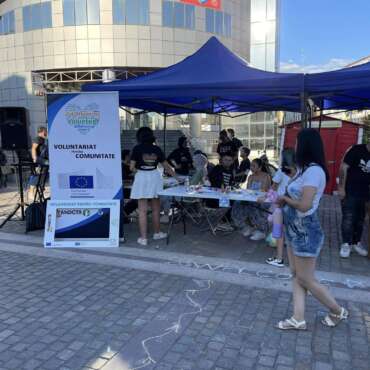
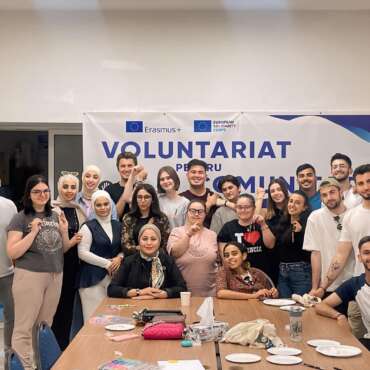
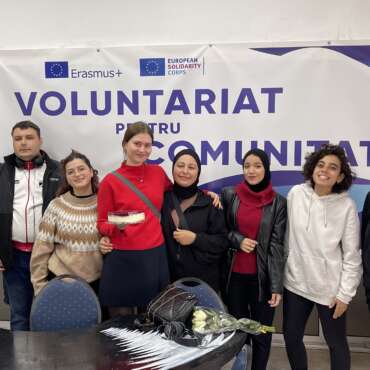
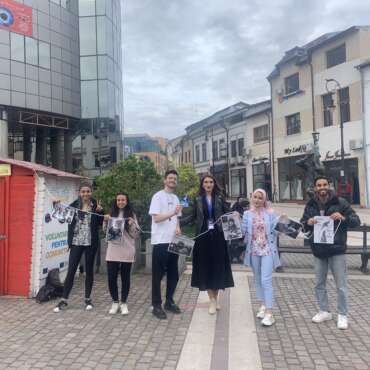
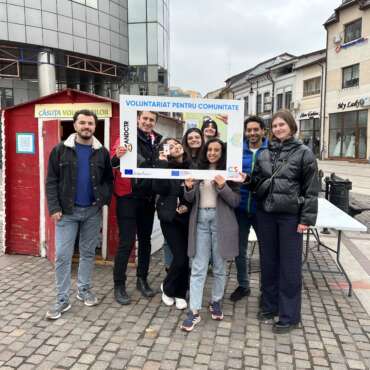
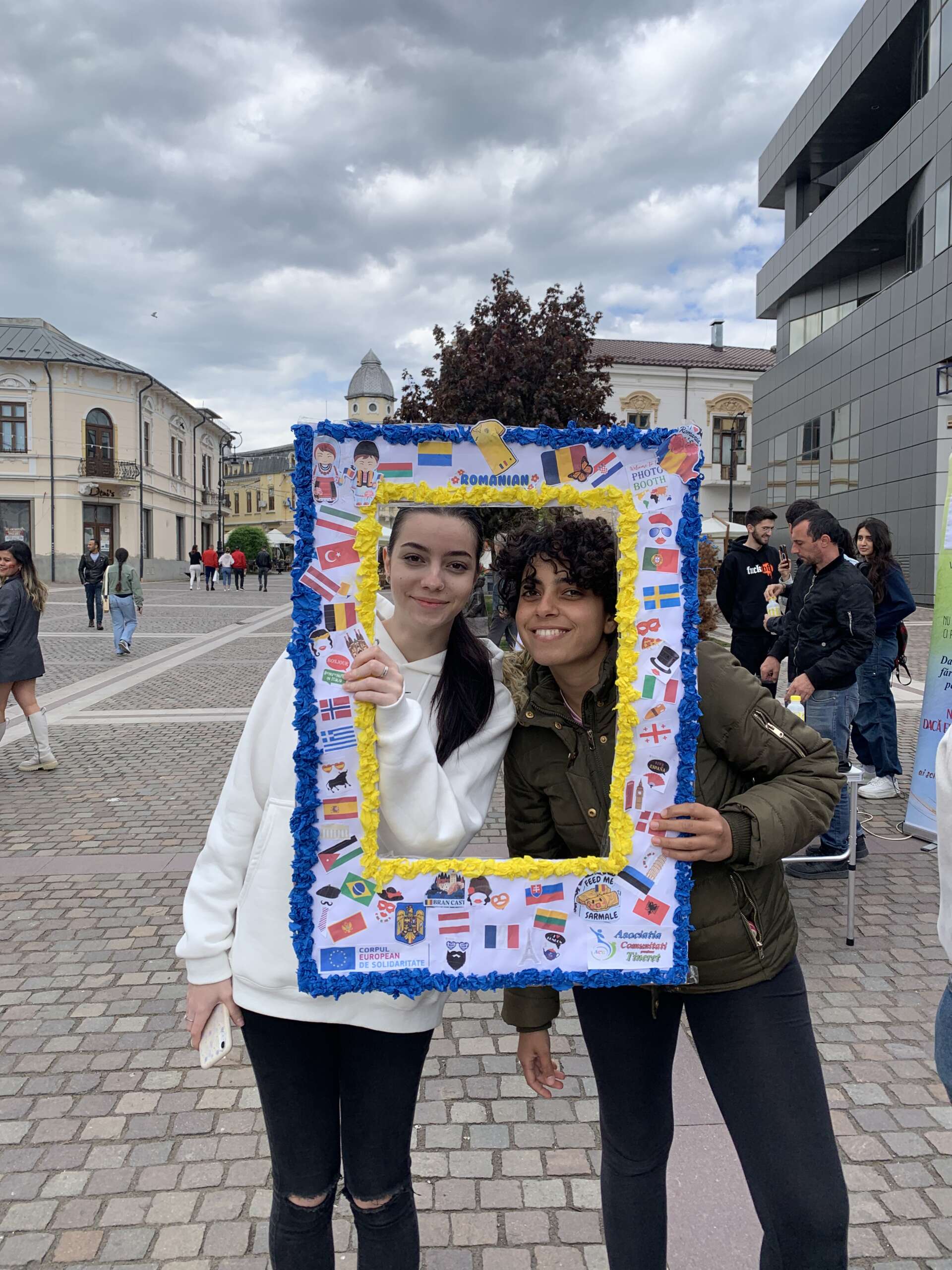
The project was implemented in Craiova and Balș, engaging young people, children, and vulnerable groups through a wide range of educational and community-based activities.
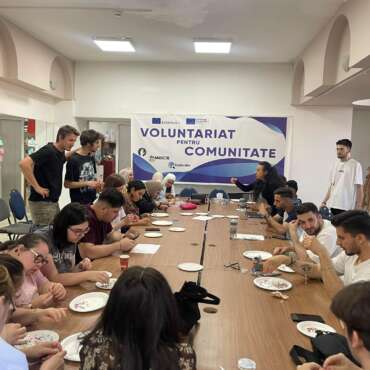
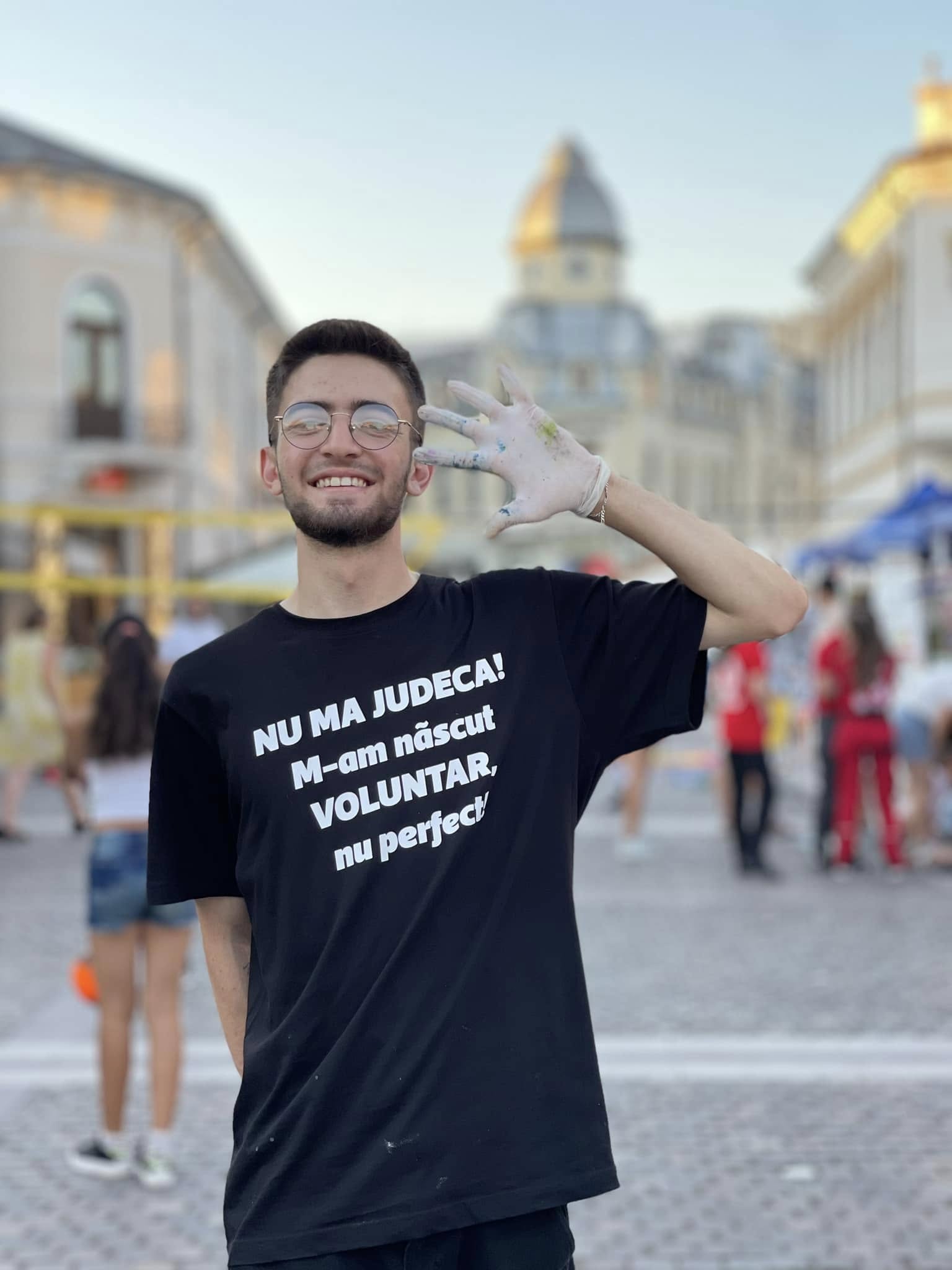
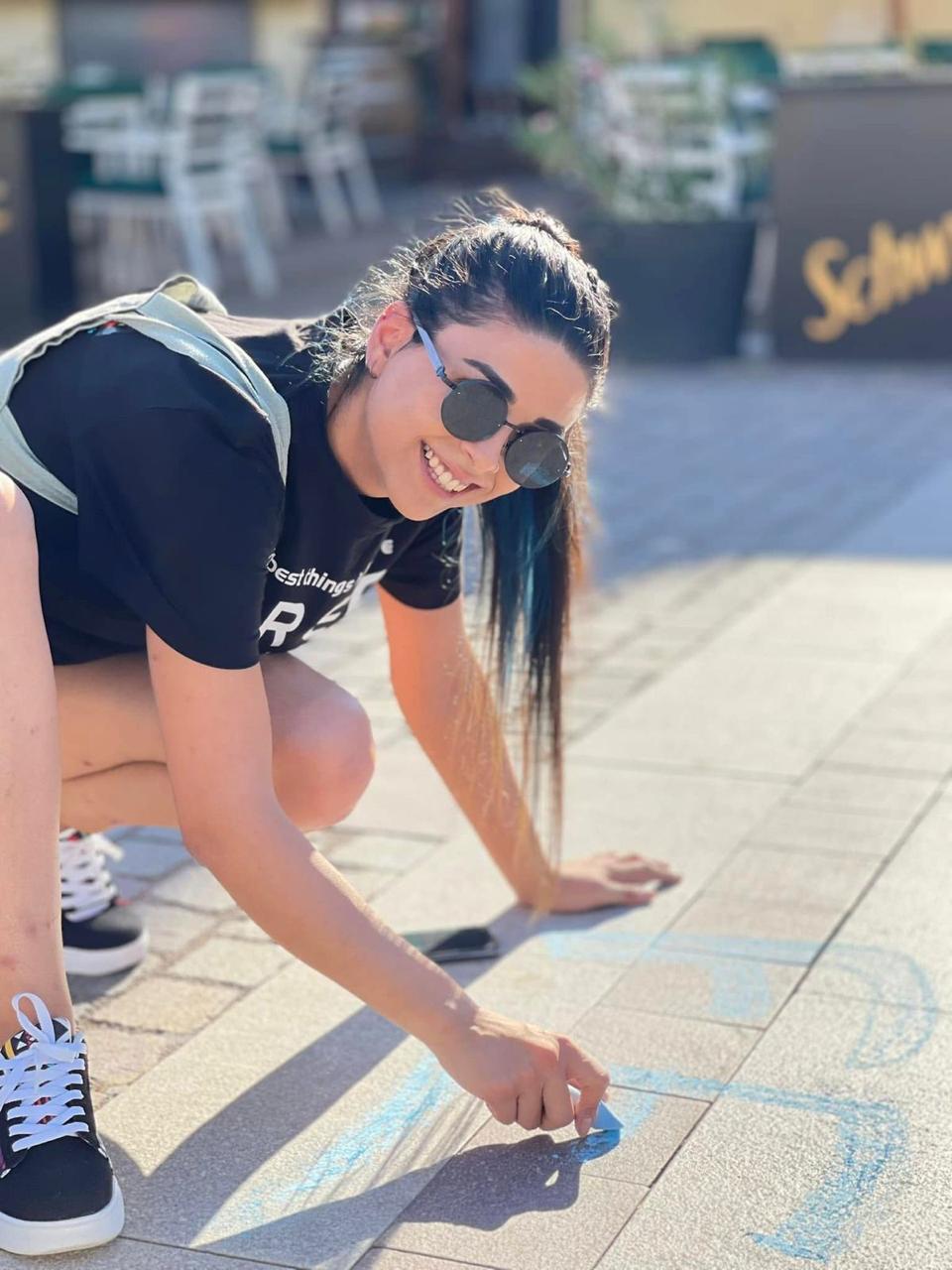
The project delivered 52 support and social inclusion workshops in partnership with schools, NGOs, and local institutions. Topics were tailored to the interests of participants and included creative, educational, and civic themes. Awareness campaigns and blood donation initiatives were also organized in schools, at the VPC Hub, and at the Students’ House, using peer-to-peer learning, facilitated discussions, and informational materials provided by ESC volunteers.
The project had a strong impact on beneficiaries. A total of 342 children and young people improved their skills by at least 40%, particularly in social interaction, intercultural understanding, creativity, and critical thinking. Young people developed life skills such as responsibility and autonomy (40%), increased their civic engagement (60%), and showed greater motivation for learning. Vulnerable groups experienced significant improvements in self-esteem (55%), social integration (40%), communication skills, and employability.
The long-term impact is reflected in the outcomes: 20 out of 23 volunteers were employed after their mobility, 23 young people continued their involvement in Erasmus+ and ESC projects, 6 new local volunteers became actively engaged, 3 new local partnerships were created, and 2 new EACEA-funded projects were generated. Through their contribution, ESC volunteers played a key role in improving quality of life and promoting civic responsibility, especially in a regional context where such programs represent essential support for the youth sector.
The impact of the project was significant. More than 400 children and young people improved their competences, while 30 young people continued their journey in Erasmus+ and ESC projects. The project also supported the employability of volunteers, with 10 out of 14 securing jobs after their mobility. Participants developed strong intercultural, social, and professional skills, while also increasing their understanding of civic responsibility and European values.
A key strength of the project was its inclusive approach: 6 out of 14 volunteers came from disadvantaged backgrounds, facing challenges such as financial difficulties, limited access to education, or social barriers. Through their participation, they gained confidence, skills, and new opportunities for personal and professional growth.
At the organizational level, the project strengthened both local and international partnerships, improved project management capacities, and supported the development of new community initiatives. It also contributed to better addressing sensitive topics such as mental health and social inclusion, adapting activities to the real needs of young people today. Overall, “Volunteer to Help 3” fostered solidarity, strengthened community ties, and empowered young people to become active, responsible citizens, while reinforcing the long-term impact of ESC initiatives in the region.